



Mummification Museum in Luxor: Explore Ancient Egypt’s Secrets of Eternal Life
Mummification Museum in Luxor, A Trip To Egypt Ancient Egypt is a civilization of history and has legends everywhere you step around with legends of powerful kings, sacred ceremonies, and fantastic human triumphs that awe every visitor you meet. Beyond the divine splendors of temples and monuments on the eastern bank of the Nile in the heart of Luxor, lies one of Egypt’s most fascinating centers of knowledge: The Mummification Museum Luxor. An exploration into the preparation of the deceased in one of the oldest traditions of humanity. Here is an essential destination to visit if you seek unique things to do in Luxor and would like to get closer to the secrets hidden behind the magnificent sarcophagi, royal tombs, and impressive temples all over Egypt.
A Look At History & Significance Of the Mummification Museum Luxor
Established in 1997, the Mummification Museum Luxor aims to shed a spotlight on the practices, secrets, and beliefs related to one of the pillars of ancient Egyptian culture, that ancient art called Mummification. Unlike the other large Egyptian museums dedicated to several historical topics, The Mummification Museum Luxor concentrates its efforts solely on a subject that was considered of primary importance for ancient Egyptian civilization. In fact, ancient Egyptians believed that death was not an end but a beginning of a journey into eternal life, the so-called “afterlife”, and in order for such a transition to be successful, the preservation of the physical body was considered indispensable.
The Mummification Museum provides you with a great understanding into the ancient Egypt method of preserving the dead, also you learn a fantastic deal of the beliefs regarding the after-life of. This is the wonderful part of all of Luxor Day Trips that provide interesting artifacts for the traveler to experience whilst also understanding the traditions of.
The Egyptians perfected the art of preparing and embalming corpses to an advanced science.
As one of the most intriguing Luxor attractions, The Mummification Museum in Luxor makes for a visit rich with details and intriguing connections between the lives, deaths, and aspirations of ancient Egyptians toward eternity.
Art and Science of Egyptian Mummification The Mummification Museum Luxor offers the visitor a fascinating glimpse of the meticulous art and scientific precision involved by the Egyptian embalmers to achieve success in their preservation and an embalming for immortality over thousands of years by research, and experiment and examination. Ancient Egyptian Mummification was far from being just a burial tradition. In essence, it was a procedure for achieving immortality which combined ancient rituals, medicine, biology, chemistry, and a thorough understanding of anatomy.
The whole procedure involved carefully removing and treating the internal organs, drying the body using salt (Natron), filling the body cavity with protective and aromatic substances and resin, and wrapping it all with carefully prepared linen bands which often had prayers and symbols drawn onto them.
You’ll also find an impressive collection of instruments used by these priests during the mummification process which were carefully utilized during the process with immense preciseness.
Admire Rare Mummies and Funerary Artefacts
Among the highlights of the museum’s exhibition hall, there are the human and animal mummies preserved and cared for with meticulous ancient techniques. There are also canopic jars used to store the internal organs, as well as many artifacts related to Egyptian funereal ceremonies including wooden and stone funereal beds, embalming tools, coffins, linen shrouds and sacred texts used during funeral ceremonies. The Mummification Museum Luxor is also home to the ancient Egyptian priest Masarharti from the 21st Dynasty. His mummy represents a fine example of high elite funerary practice of that period and offers a rare chance to closely observe the beauty of the mummification rituals.
Learning Ancient Egyptian Gods and Beliefs in Afterlife
Since the whole process of Mummification in Ancient Egypt was tied to religious rituals, mythology, and specific beliefs related to afterlife, the Mummification Museum in Luxor sheds a significant light on some of the key deities related to death and the underworld such as Osiris, Osiris the god of the afterlife and resurrection, Anubis the god with a dog or jackal’s head responsible for the mummification process and protection of the dead, and Isis. Knowing these Gods adds another layer of fascination to the history of Ancient Egyptians and what drove them to achieve such feats in preparing their deceased in order to reach a blessed immortality.
Combine with Other Top Luxor Attractions
Located in the very center of Luxor’s East Bank, a short distance north of the majestic Karnak Temple Complex, the Mummification Museum of Luxor is one of the easiest attractions to add to your itinerary of sightseeing endeavors. Its prime spot on the East Bank of the Nile make it a must see while visiting Luxor and the perfect addition to any tour that visits some of the surrounding Egyptian landmarks. You can visit the Mummification Museum and then head to one of the more elaborate sights along Luxor’s East Bank, such as Luxor Temple, which stands in the middle of the modern city of Luxor itself.
Luxor Temple, one of the most beautifully constructed ancient temples of Egypt, allows visitors to step into ancient Egypt through its elaborate statues, tall columns, and sacred imagery of kings and gods.
Visiting Luxor Temple along with the Mummification Museum enhances our understanding of ancient Egyptian faith and culture by contrasting the rituals and beliefs with which ancient Egyptian kings and queens lived with the preparations that were necessary for the afterlife in Egyptian mythology. While the Mummification Museum provides fascinating information and insight into the customs and traditions of how Egyptians prepared and dealt with the afterlife, it is very simple to walk up the short way and explore the sights and structures within the grand Karnak Temple Complex, another of Egypt’s magnificent monuments that lies a stone’s throw north of the Mummification Museum. The Karnak Temple complex is one of the largest religious complexes that has ever been constructed and showcases the impressive skills of Egyptian architects and laborers with their towering obelisks, monumental pylon gateways, large columns, sacred lake, and amazing Great Hypostyle Hall. In addition to being so close to the spectacular ancient ruins of Luxor’s East Bank, the Mummification Museum in luxor also resides directly along the picturesque Nile River Corniche.
This promenade runs right outside the door of the Mummification Museum, offering an elegant path to relax on while watching the traditional feluccas float along the gentle waters of the life giving Nile River.
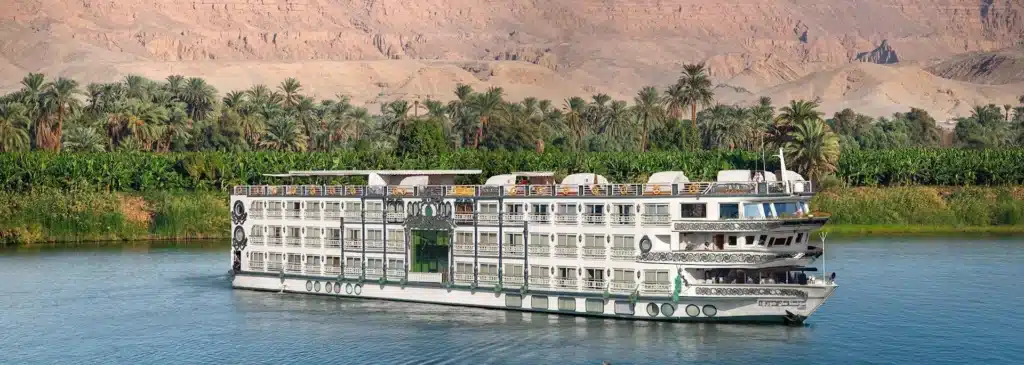
The Mummification Museum is one of the most popular attractions on tours, and is frequently included in Luxor sightseeing packages, private tours of Egypt, and on most Nile cruise itineraries. Most tours traveling from a few days in Luxor to a more expanded tour of the country will schedule a trip to this unique museum because of the understanding one gains about the beliefs and customs that laid the foundation for the various other temples that we tour throughout our trip to Egypt. If you will have even one full day in Luxor or more of an extended travel experience on our Egyptian adventures, then be sure to incorporate the Mummification Museum on your trip.
This lesser-known treasure offers you the chance to dive deep into an area of history which otherwise may be overshadowed by its more famous neighbors, but you still get to enjoy and experience such marvels as the Nile, Karnak and Luxor as well.
The Best Tips for Visiting the Mummification Museum
The museum’s exhibition space is not that vast, thus making it a great complement to the rest of your Luxor itinerary. It’s worth it to allocate around an hour of your trip here. Remember that it’s highly recommended to visit from October to April to benefit from moderate weather.
The best advice is to grab a comprehensive guide or inquire more from the museum staff for an enriched experience.
Generally the Mummification Museum visits are very convenient because the location and speed are convenient to anyone, of any age or interest, but if you are a history and / or archeology fanatic, you should not miss this visit and be curious about this new world that will be shown to you today. Find out how they believed in eternal life today! This is why you should hurry up and see the Mummification Museum in Luxor to discover today a piece of our Egyptian History today, where history comes alive!