

What should Travelers know about Egypt?
What Should Travelers Know About Egypt? A Comprehensive Guide
Egypt, a land of timeless wonder and ancient history, beckons travelers with its iconic monuments, vibrant culture, and enchanting landscapes. As you plan your adventure to this fascinating destination, here’s what you should know to make the most of your trip to the Land of the Pharaohs.
1. Rich Historical Tapestry
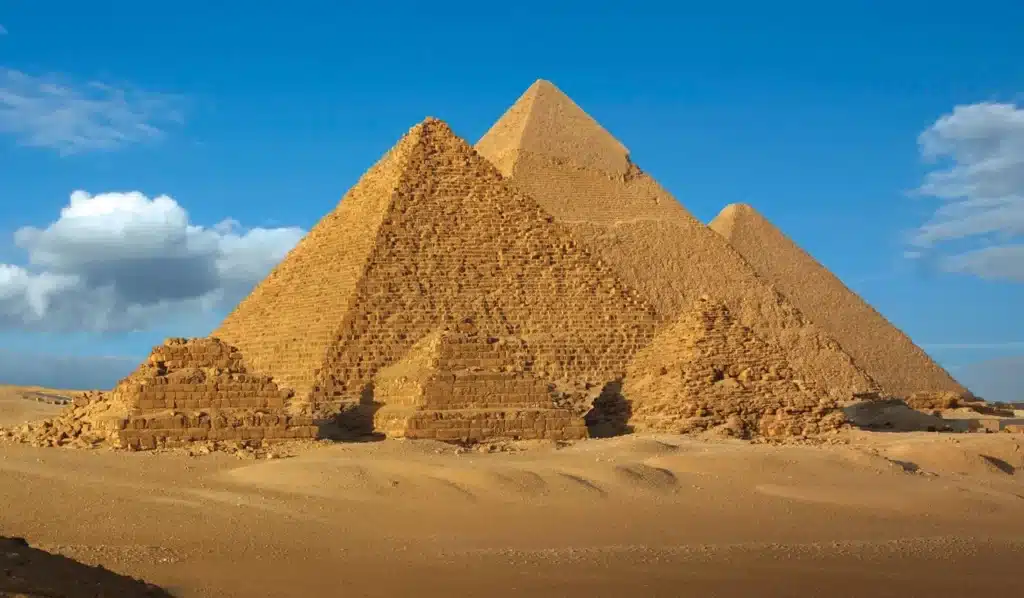
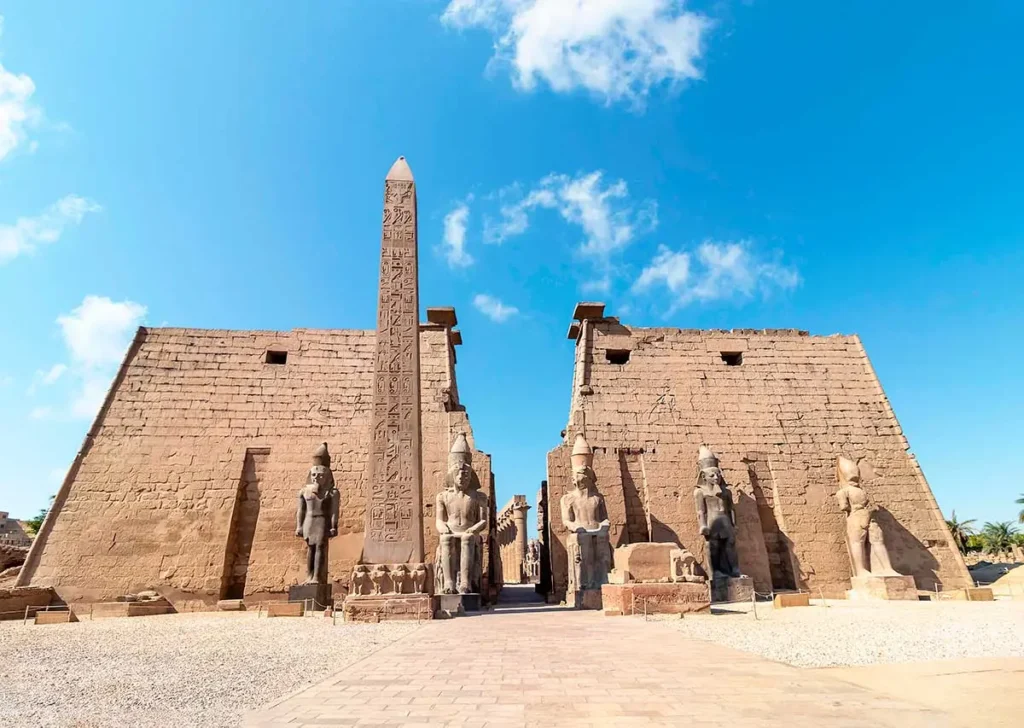
Egypt is synonymous with ancient civilization. The Pyramids of Giza, the Sphinx, and the Valley of the Kings are just a few of the world-renowned sites that illustrate the grandeur of ancient Egypt. To fully appreciate these marvels, consider taking guided tours to gain deeper insights into their historical and cultural significance. Don’t miss out on the Egyptian Museum in Cairo, which houses a vast collection of antiquities, including the treasures of Tutankhamun.
2. Climate and Best Travel Time
Egypt’s climate is predominantly desert, characterized by hot, dry summers and mild winters. The ideal times to visit are from October to April when temperatures are more moderate. During the summer months, particularly in southern regions like Luxor and Aswan, temperatures can soar above 40°C (104°F). Pack lightweight, breathable clothing and stay hydrated, especially if traveling in the warmer months.
3. Cultural Etiquette
Respecting local customs and traditions is crucial. Egyptians are known for their hospitality, but it’s important to dress modestly, especially when visiting religious sites. Women should wear clothing that covers their shoulders and knees, and both men and women should avoid wearing revealing attire. Public displays of affection are also considered inappropriate. Learning a few basic Arabic phrases can go a long way in building rapport and showing respect for the local culture.
4. Currency and Payment Methods
The currency in Egypt is the Egyptian Pound (EGP). Credit cards are widely accepted in major cities and tourist areas, but it’s advisable to carry some cash for smaller purchases or in more remote areas. ATMs are available in urban centers, but always have a small amount of local currency on hand for convenience.
5. Transportation Tips
Egypt offers various transportation options, including taxis, ride-sharing apps, and trains. In Cairo, taxis are plentiful, but it’s wise to use reputable services or ride-sharing apps to avoid potential overcharging. For longer distances, the train network is extensive and comfortable, with sleeper trains available for overnight journeys. Domestic flights are also a convenient option for traveling between major cities and tourist destinations.
6. Health and Safety
Traveling to Egypt generally poses minimal health risks, but it’s advisable to follow basic precautions. Drink bottled water, avoid ice cubes in beverages, and eat freshly cooked food. Make sure to have travel insurance that covers health emergencies. Also, be aware of your surroundings, particularly in crowded areas, and follow any travel advisories issued by your home country.
7. Language and Communication
Arabic is the official language of Egypt. While many people in the tourism industry speak English, especially in major cities and tourist sites, learning a few basic Arabic phrases can enhance your experience and interactions with locals. It’s also helpful to have a translation app handy.
8. Local Cuisine
Egyptian cuisine is a delightful blend of flavors and textures. Don’t miss trying traditional dishes like koshari (a mix of rice, lentils, and pasta), falafel, and shawarma. Street food is a popular and tasty option, but make sure to choose vendors that prepare food in hygienic conditions.
9. Respect for Religion
Islam is the predominant religion in Egypt, and it influences many aspects of daily life. During Ramadan, the holy month of fasting, be mindful of local customs and avoid eating, drinking, or smoking in public during daylight hours. Showing respect for religious practices will be appreciated by locals.
10. Souvenirs and Shopping
Egypt offers a range of unique souvenirs, from papyrus scrolls and alabaster statues to spices and traditional crafts. Markets like Cairo’s Khan El Khalili Bazaar provide an authentic shopping experience. Haggling is a common practice in these markets, so don’t hesitate to negotiate prices.
Egypt is a land of extraordinary beauty and profound historical significance. With its ancient treasures, rich culture, and warm hospitality, it offers a travel experience like no other. By understanding the local customs, planning accordingly, and embracing the vibrant culture, you’ll ensure a memorable and enriching journey through this remarkable destination.
Happy travels, and may your Egyptian adventure be filled with wonder and discovery!
after reading about What should Travelers know about Egypt? .. read more from omania egypt tours company
Luxury Egypt tours with omania group
Nile cruise Luxor and Aswan Tour
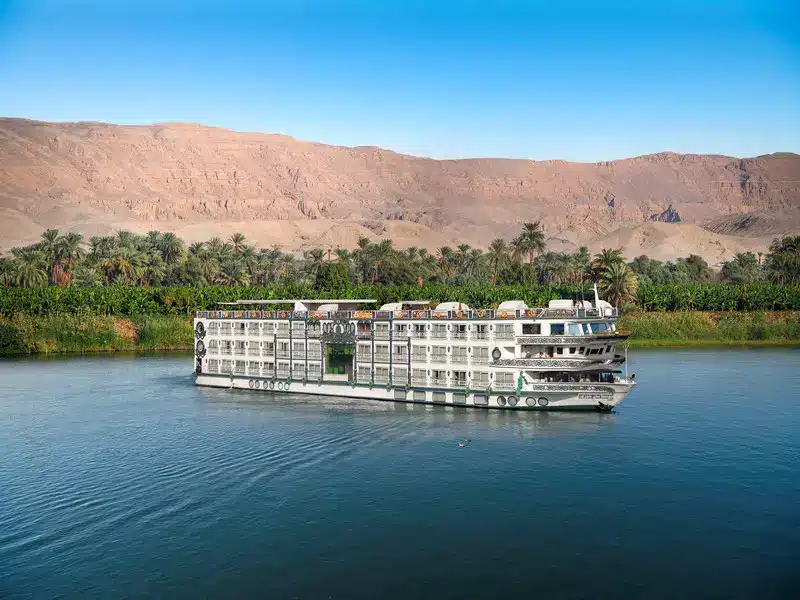
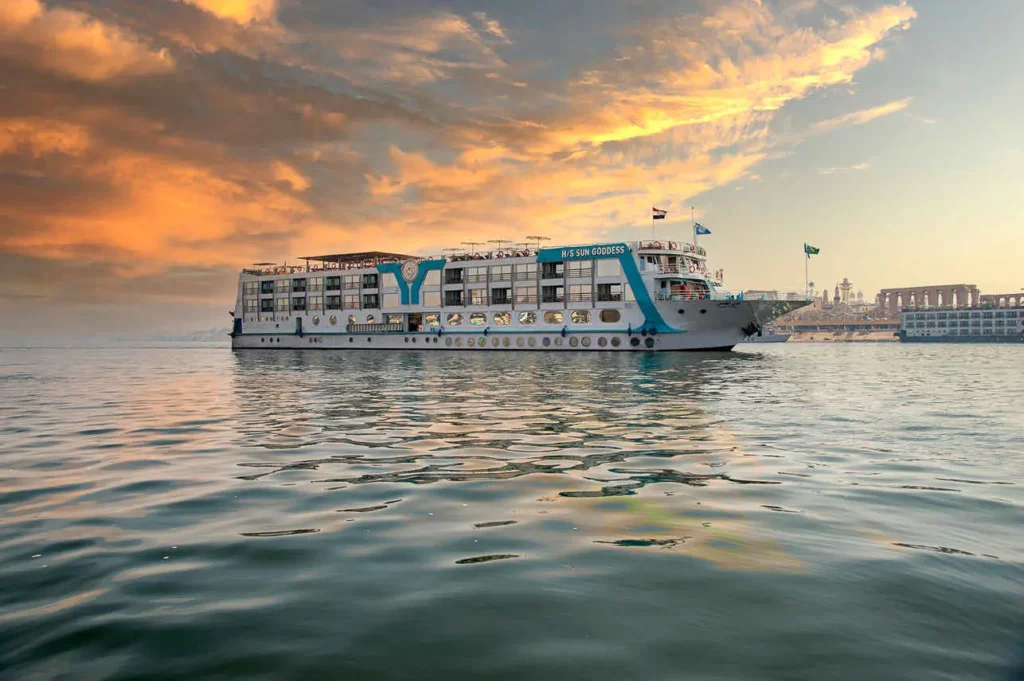
You can easily reach Luxor, the gateway to the historic wonders of the Nile Valley, with a short internal flight. Embark on a 4-night journey aboard a luxurious 5-star cruise ship, traveling from Luxor to Aswan. From the sunlit decks of your elegant vessel, admire the timeless beauty of the Egyptian landscape as you float on the tranquil waters of the Nile. During your voyage, discover the grand temples of Edfu and Kom Ombo, where the whispers of ancient rituals still linger in the sacred halls. Drift along the ageless river, immersing yourself in the rhythms of rural Egyptian life and observing the daily activities of local farmers.