

Abu Simbel – Uncover the Most Magnificent Ancient Temples in Egypt
Abu Simbel Temples, Amongst Egypt’s vast trove of historical and ancient treasures, there are a few that simply take your breath away. Abu Simbel is arguably one of the most impressive archaeological sites in the world and a definite highlight of any visit to the country. Made up of two huge temples, built by one of ancient Egypt’s most powerful rulers, Abu Simbel features colossal stone statues, ancient rituals and architectural prowess on a grand scale.
This UNESCO World Heritage Site on the banks of the River Nile is a must-see on any Egypt tour itinerary,Whether you’re planning an archaeological adventure in Egypt, a luxury Nile River cruise, or even if just visiting for a day trip from Aswan, then Abu Simbel is absolutely essential.
Here is a look at why you absolutely need to add Abu Simbel to your list!
Ancient History of the Temples of Abu Simbel
the Pharaoh Who Built them The Abu Simbel Temples were built by one of ancient Egypt’s most revered and ambitious rulers, Ramesses II, in the 13th century BC. The colossal temples were hewn into a sandstone cliff face and dedicated to both gods and a king-Ramesses II-and are thought to represent his power and strength for all to see. Ramesses II was not an egomaniac-he may have been– but he believed in his role as a divinely appointed leader and the ruler most likely to receive the favor of the gods.
He commissioned these two magnificent structures on Egypt’s southern border to commemorate his most cherished and divine relationship.
He was known for his military campaigns, having brought many victorious campaigns against his enemies – most notably the Battle of Kadesh. However, even more remarkable was his love of his wife Nefertari, and after her he built a beautiful second temple. They are both believed to have used these magnificent structures both as an expression of piety, as well as in a more personal and intimate setting.
Ramesses built his temple dedicated to four Egyptian gods- Amun- Ra-horakhty- and Ptah-and also featured four colossal statues that stand 20 metres tall at the facade. Even after 3000 years they remain the most identifiable statues that stand on Egyptian territory and draw gasps from those that come to pay tribute. He dedicated the second and smaller Temple to the goddess Hathor and his beloved Nefertari and this also had a smaller but more delicate set of sculptures within it which served to highlight her beauty, elegance, and the divine nature of her relationship to her husband.
Each temple contained internal rooms which contained carvings and hieroglyphs depicting the exploits and achievements of the king, as well as the most treasured rituals and important gods of Egypt and the worship of the divine queen.
The stones themselves contain more information in images than even papyri could manage, giving a truly indelible impression to everyone visiting.
The Astonishing Rescue of Abu Simbel from Submergence by a Dam When
many people visit ancient wonders, there is no consideration about how this historical architecture still exists. However, one of ancient Egypt’s biggest engineering miracles not only occurred in ancient times when the pyramids were erected, but it continues with the preservation and reconstruction of sites such as Abu Simbel. In the 1960s, the construction of the Aswan High Dam posed a severe risk to numerous Egyptian sites and Abu Simbel stood high on this list.
The increasing rise in waters from the construction of the new dam began to slowly inundate the entire complex of Abu Simbel.
Recognizing the irreplaceable value of these sacred ancient structures, Egypt together with a large coalition of researchers and archaeologists around the globe launched an extraordinary engineering and construction effort. The huge ancient temples were cut into 20ton blocks which then needed to be meticulously documented, disassembled and precisely repositioned and reassembled just over 200 metres away and 65 meters higher. These complex and unprecedented works which spanned years represent the largest movable ancient monument of ancient times, and the scale of accomplishment truly does rival the original engineering required to create the site itself!
Visitors to Abu Simbel may stand in front of the great statues but few realise just what an incredible feat was undertaken to simply keep these remarkable monuments for generations to appreciate.
The Abu Simbel Temples: A Monumental Achievement of the Past
When you go to Abu Simbel you get to experience more than ancient stones; it’s a fully immersed trip into the world of the pharaohs, and a masterpiece of architecture, religion, art, and astronomy all wrapped into one stunning package. Your eyes will first be captured by the Great Temple and its four enormous seated statues of Ramesses II. Surrounding the seated pharaoh are small statues of members of the royal family, which clearly emphasize the pharaoh’s status.
As you step inside the temple itself, you’re met by enormous pillars engraved with images of Osiris, the god of the underworld.
As you delve deeper into the temple, you can take in perfectly preserved reliefs and carvings, some of which depict the pharaoh’s triumphs on the battlefield, as well as religious ceremonies and rituals to the gods. All the intricate details on the carvings show off the skill of the ancient artisans. The Smaller Temple is no less impressive. It is dedicated to Nefertari, Ramesses II’s wife, and the goddess Hathor.
In fact, it features almost equally sized statues of Nefertari as there are of the king – a distinction that was rarely bestowed on queens.
Inside this temple you’ll be treated to more beautifully carved depictions of the king and queen and illustrations of rituals and important acts of devotion toward the gods. Perhaps the most awe-inspiring feature of Abu Simbel however is its solar alignment. Once each year, the sun illuminates the temple statues in its deepest chamber.
This architectural feat alone shows the astoundingly advanced understanding the ancients had of mathematics and astronomy and it still draws visitors from around the globe. In addition, the backdrop to Abu Simbel is striking-its dramatic location on the shores of Lake Nasser combined with its position within the surrounding desert landscape makes the destination one of the most photogenic spots in Egypt.
A Practical Guide to Visiting Abu Simbel: Where, When and How to Get There
Getting to Abu Simbel is easiest via other tourist towns along Egypt’s most important Nile River tourist attractions. Abu Simbel Temples is situated on the banks of Lake Nasser, about 280 kilometers south of the city of Aswan. Most visitors reach it through guided day trips out of Aswan.
A more time-effective but slightly pricier way to get there is to take a domestic flight from Cairo directly to Abu Simbel.
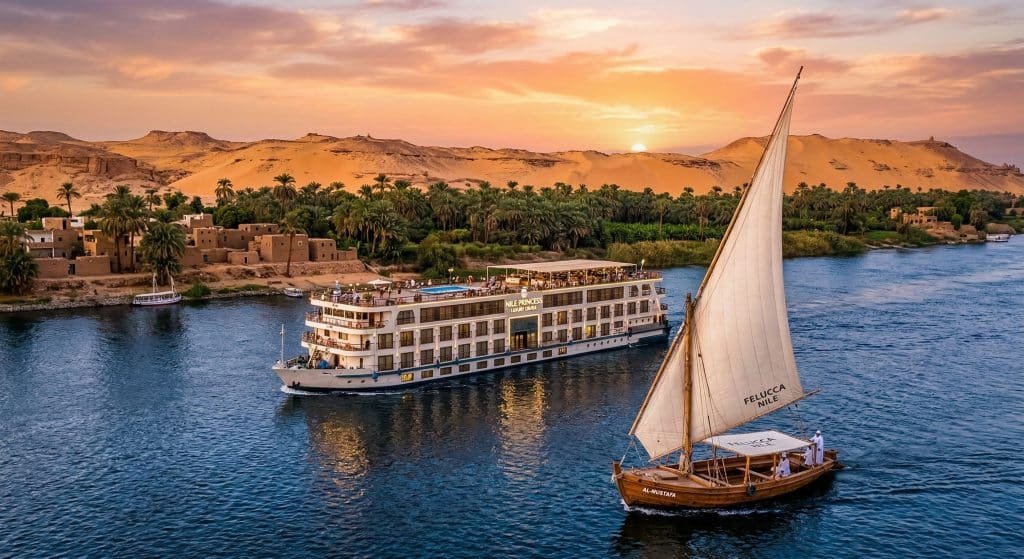
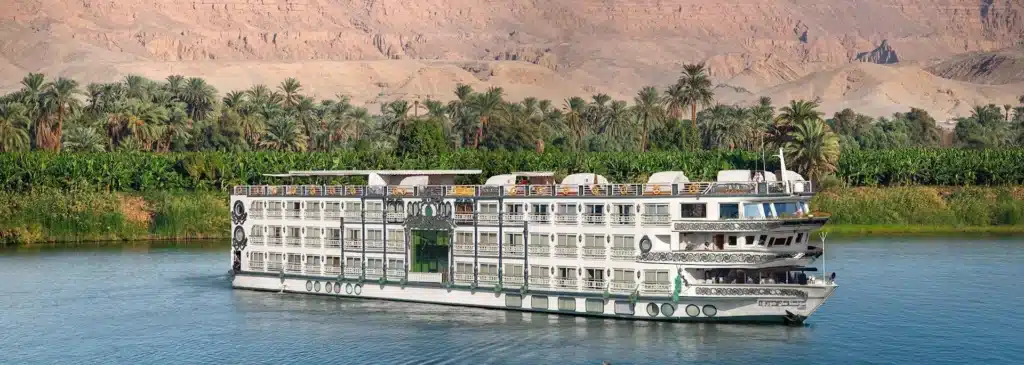
Luxury Nile cruises on a steamer boat as well as small and medium size boats usually include Abu Simbel in the itinerary. Many of the best Egypt tour itineraries in Upper Egypt also incorporate Abu Simbel. A trip in November, during winter in Egypt, or between October and April should offer pleasant temperatures. However, it’s advised to visit the temples in the early morning before the daytime crowds gather, to catch the magic of a sunrise on this spectacular historical site.
Another option to visit is during the Abu Simbel Sun Festival (twice per year) when sunlight is shed light inside the sanctuary onto the seated statue of Ramesses II.
Abu Simbel is considered the main site in southern Egypt, however you can visit Philae Temple, Kom Ombo, Edfu Temple and
Whether as part of Aswan Day Tours, Egypt excursions, Nile cruises or more, a day trip to Abu Simbel provides access to one of the truly awesome historical sites in all of the land of the Pharoahs, and these colossal temples of Ramesses II in Aswan offer perhaps the most spectacular and exciting views to the traveler from anywhere in Egypt.
Abu Simbel isn’t just a group of historical monuments – they are monuments that stand as symbols of enduring Egyptian pride and are considered among the finest man-made structures in the world, from the monolithic rock statues of Ramesses II and Nefertari to the famous Sun Festival, to the incredible relocation process that saved the ancient wonders from being submerged in the waters of Lake Nasser.