

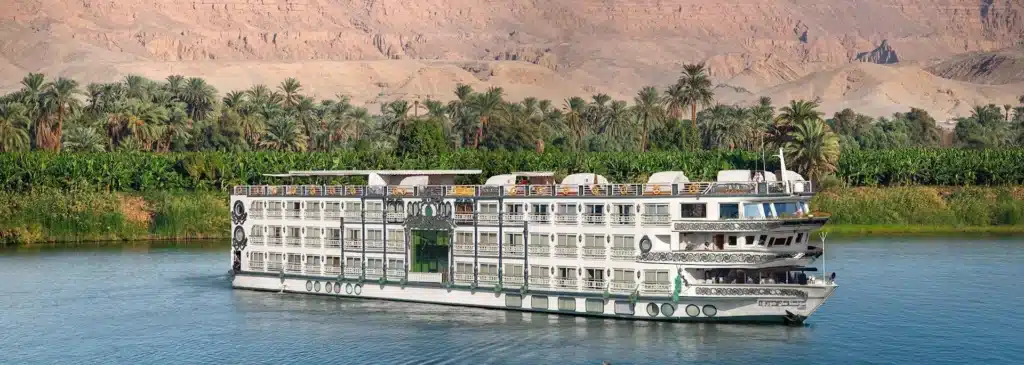
The East Bank of Luxor: Journey to the Heart of ancient Egyptian
Daily Life and Religion If the West Bank of Luxor is renowned for the tombs of the pharaohs, there is no shortage of equally awe-inspiring sites on its Eastern counterpart – Luxor. Indeed, arguably the greatest open-air museum on earth, as Luxor is often referred to, does offer visitors a chance to witness the living essence of ancient Egyptian culture and architecture. This side of the Nile was once the heart of the city of Thebes, home not only to colossal temples, but to the everyday life, spirituality, and civic centres of what was perhaps ancient Egypt’s most prosperous city.
To-day, visitors to the East Bank of Luxor can be mesmerized by vast temple complexes, be entertained by bustling souvenir markets and souvenir stalls along the corniche and be utterly captivated by superb, often breathtaking views across the Nile.
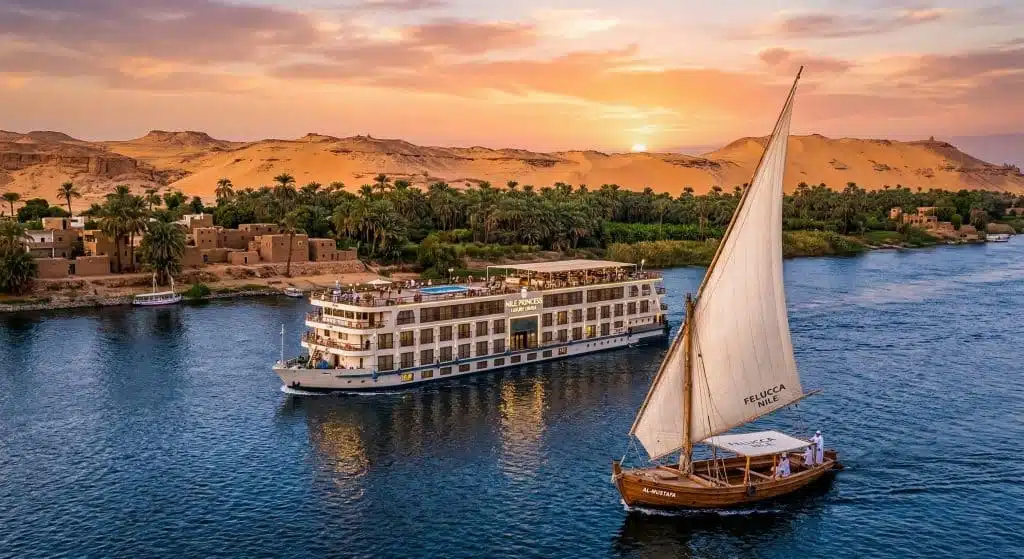
When embarking on a Luxor Day Trips or planning a wider travel tour to Egypt , whether your visit comprises a luxury Nile cruise or part of an intensive Egypt touring program, the East Bank should certainly not be overlooked. Situated on Luxor’s eastern shore of the Nile , it houses some of the greatest ancient monuments in Egypt.
The Story Behind the Importance of Luxor’s East Bank for Ancient Egyptians
The East Bank of Luxor was known as the “Land of the Living”; it was associated with rebirth, the sun rising and every-day life as far as the ancient Egyptians were concerned. This is the reason why they built all of their significant temples and homes on this bank of the Nile. Ancient Thebes, also know as Luxor was the capital city of Egypt during many ages, especially New Kingdom time.
Kings, priests, and the Egyptian nobility, they used the East Bank to have festivals, hold religious rituals and pay homage to the Gods.
Due to the importance of this land, we find in the East Bank of Luxor some of the most famous and biggest temples in Egypt. These temples are now visited by millions of people each year from all over the globe and still can amaze us with its greatness and ancient beauty.
Visit The Wonderful Karnak Temple
The East Bank of Luxor is home to the world-renowned Karnak Temple. The largest religious structure on earth with an area of more than 200 acres. Work began at Karnak around 2000 BC and continued through until about 400 BC.
The temple was mainly devoted to the god Amun-Ra.
Key features of Karnak: The Hypostyle Hall consisting of 134 gigantic columns The enormous pylons and gateways The Sacred Lake Huge stone obelisks The enormous statue of a pharaoh, Ramses II Hieroglyphic carvings These are the principal points you must visit in Karnak. Tourists from all over the world usually come to Karnak to discover how enormous is the site and how fascinating are the decorations on the walls.
Discover the Nighttime Splendour of Luxor Temple
Luxor Temple, which stands in the centre of the city of Luxor today, on the East Bank, is an other obligatory visit site. While it shared the function of a temple with Karnak, which was largely devoted to prayer, it served as a religious centre during many religious celebrations and the coronations and festivities for the king. These occasions saw the avenue of sphinxes (which once stretched between the two temples and can still be partially explored in parts of town today) utilized for the annually occurring Opet Festival, between Luxer and Karnak.
The highlight to this temple is without question the visit after sundown!
Luxer Temple, lit up with golden artificial light at night, becomes one of the most romantic places on a trip to Egypt. Let your senses wonder to: huge statues of Ramesses II, fantastic courtyard and column-supported hallways, extremely well preserved hieroglyphs on their original location, later Roman temple ruins adjacent to Egyptian ruins, and finally the lightshow – it’s a unique, unforgettable experience. Numerous traveller, are not surprised if you describe Luxer Temple at night as the most rewarding place on their travel.
Walk the Historic Avenue of Sphinxes
In one of the biggest-scale restoration projects in modern Egypt, the Avenue of Sphinxes, running between Karnak and Luxor Temples, is now open to the public. The process is almost complete along most of the road and it runs for several kilometers, adorned with hundreds of Sphinxes. For thousands of years it was the road used by many ceremonies and important festivals, held at Thebes.
Walking down parts of this avenue will allow you to step back to the celebrations of those millennia and you will find a totally different kind of Egyptian.
The renovation works on this wonder have made the East Bank of Luxor even grander, with two of Egypt’s most important sites linked in the old fashion manner, not seen for centuries.
Best Time to visit the East Bank of Luxor
You should visit Luxor between October to April when the weather is less harsh for an outdoor experience. It is also possible to visit the East Bank between May to October when temperatures typically exceed 30°C, which may become unpleasant for some people especially during daytime. When to visit the East Bank of Luxor: Visit the Karnak Temple early in the morning Go to the Luxor Temple after sunset, It is recommended to wear walking shoes, wear a hat and use sunscreen.
Also don’t forget to take plenty of water with you.
The best idea is toHire Egyptologist who will add extra to the experience. Take the entire day to see the main monuments of East bank ,Most people will be visiting Luxor; take opportunity to combine East & West bank and experience the different areas.
Luxor’s East Bank: An Essential on the Itinerary of any Egypt Trip
The East Bank of Luxor is where Egypt comes alive: it is the beating heart of this unparalleled, historical powerhouse. From towering columns at Karnak Temple to the beauty of Luxor Temple, via the iconic Avenue of Sphinxes, you feel history. Furthermore, its vibrancy spills into the lives and present of the city of Luxor itself, from food to markets to its people.
Whether you’re a seasoned archaeologist, an eager first-timer, a photographer, or simply someone searching for experience, Luxor’s East Bank is for you and will not disappoint.
A trip to the land of the pharaohs is not complete without a thorough tour of the East Bank of Luxor – on a Nile cruise, day trip, or a multi day tour of Luxor the East Bank will blow you away.